Discover 10 customer engagement strategies to improve customer satisfaction, increase retention, and build stronger relationships for service-based businesses.
Customer Engagement Strategies: 10 Ways to Build Stronger Customer Relationships
Customer engagement strategies help businesses build meaningful relationships with customers, improve customer experiences, and encourage repeat visits. For small businesses such as nail salons, spas, beauty clinics, and other service-based businesses, effective customer engagement can turn occasional visitors into loyal customers.
Today, customers expect more than quality products or services. They want convenient experiences, personalized communication, fast service, and businesses that listen to their feedback. Companies that consistently meet these expectations are better positioned to improve customer satisfaction and long-term retention.
In this guide, we explore 10 practical customer engagement strategies that businesses can use to strengthen customer relationships, improve service experiences, and support sustainable growth.
What Are Customer Engagement Strategies?
Customer engagement strategies are the methods businesses use to interact with customers and build ongoing relationships throughout the customer journey. These strategies may include personalized communication, loyalty programs, customer feedback collection, digital check-in systems, and post-visit follow-ups.
Effective customer engagement goes beyond attracting new customers. It focuses on creating positive experiences before, during, and after each interaction.
For example, a nail salon can engage customers by offering convenient check-in, remembering their service preferences, responding to reviews, and sending appointment reminders. These small interactions can make customers feel valued and encourage them to return.
Why Are Customer Engagement Strategies Important?
Customer engagement directly influences how customers perceive a business and whether they choose to return.
Here are four important benefits:
- Higher customer retention: Positive experiences give customers more reasons to revisit your business.
- Improved customer satisfaction: Listening to feedback helps businesses identify problems and improve service quality.
- Stronger customer loyalty: Personalized interactions help customers develop a stronger connection with a brand.
- More opportunities for growth: Satisfied customers may recommend your business to friends, family, and colleagues.
For service-based businesses, retaining existing customers can be especially valuable because repeat visits create opportunities for more predictable revenue.
10 Effective Customer Engagement Strategies for Small Businesses
1. Personalize the Customer Experience
Personalization helps customers feel recognized rather than treated like another transaction.
Businesses can personalize experiences by remembering customer preferences, recommending relevant services, and tailoring communication to individual needs.
For example, a nail salon might remember a customer's preferred nail technician, favorite colors, or typical appointment schedule. A spa could recommend treatments based on services a customer previously booked.
Use customer information responsibly and only collect data that is necessary for providing better service. Relevant personalization should make interactions more convenient, not intrusive.
2. Make Customer Check-In Simple and Convenient
Long waiting times and complicated check-in procedures can negatively affect the customer experience.
Digital check-in solutions allow customers to register their arrival more conveniently and help staff manage customer flow. Depending on the system, businesses may also collect basic customer information and communicate estimated waiting times.
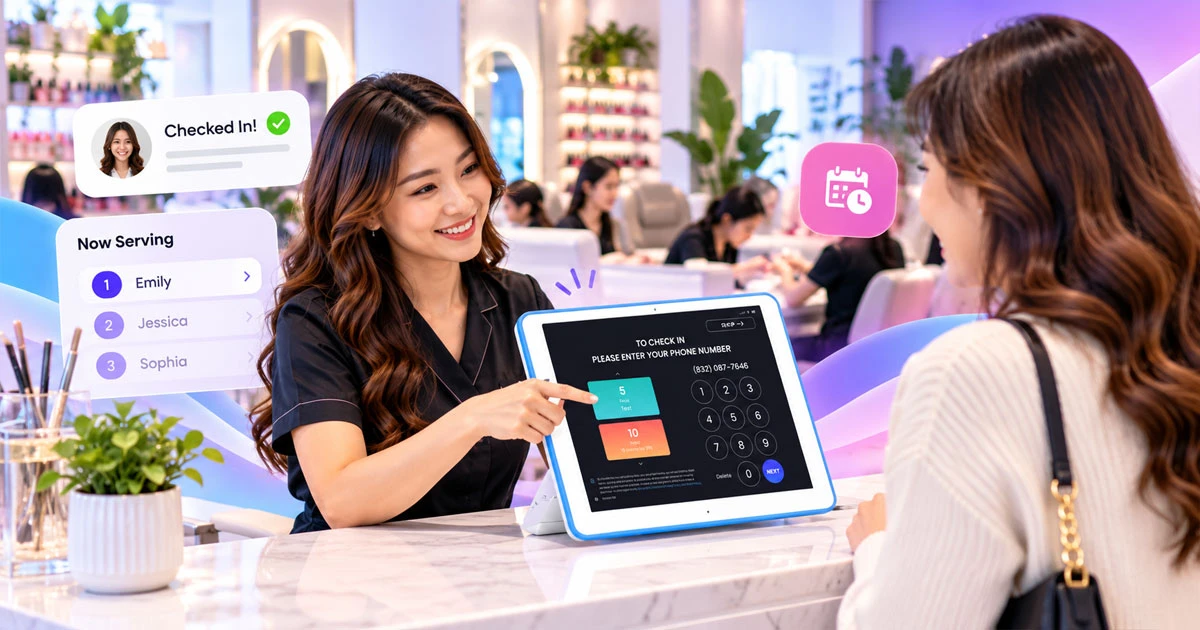
A simple digital check-in process helps businesses welcome customers efficiently and create a smoother service experience.
For nail salons, spas, and beauty clinics, a streamlined check-in process can reduce front-desk pressure and help employees focus on serving customers.
GoCheckIn provides check-in technology designed to help businesses improve customer interactions and streamline the arrival experience.
3. Communicate Consistently Across Customer Touchpoints
Consistent communication keeps customers informed and helps maintain relationships between visits.
Businesses can use email, SMS, appointment reminders, and social media to share relevant information, including:
- Appointment confirmations and reminders.
- Service updates and business announcements.
- Special offers and loyalty rewards.
- Follow-up messages after a visit.
The key is relevance and timing. Avoid sending excessive messages, and provide clear options for customers to manage their communication preferences.
4. Collect and Act on Customer Feedback
Customer feedback is one of the most useful tools for improving engagement.
Businesses can collect feedback through surveys, digital forms, review platforms, and direct conversations. However, collecting feedback is only the first step. Businesses must also identify recurring concerns and take action.
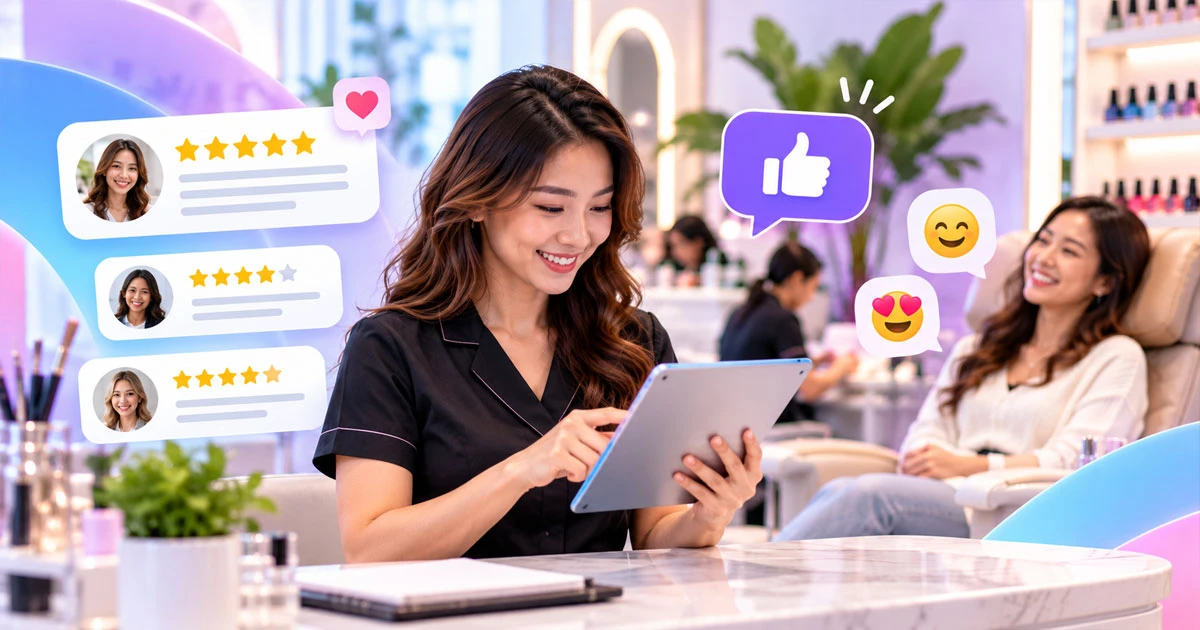
Collecting and acting on customer feedback helps businesses identify service issues and improve the overall customer experience.
For example, if customers frequently mention long waiting times, management can review staffing levels, appointment scheduling, and check-in procedures.
A simple feedback process can follow three steps:
- Ask customers about their experience.
- Identify patterns in positive and negative feedback.
- Make improvements and communicate changes when appropriate.
When customers see that their opinions matter, they have a stronger reason to trust the business.
5. Build a Customer Loyalty Program
Loyalty programs encourage repeat visits by rewarding customers for continued engagement.
Common options include points-based rewards, membership benefits, referral incentives, and discounts after a certain number of visits.
For example, a beauty salon could reward customers after every five completed appointments. A spa might offer exclusive benefits to frequent visitors.
Choose rewards that are valuable to customers and financially sustainable for the business. Track participation and repeat visits to understand whether the program is generating meaningful results.
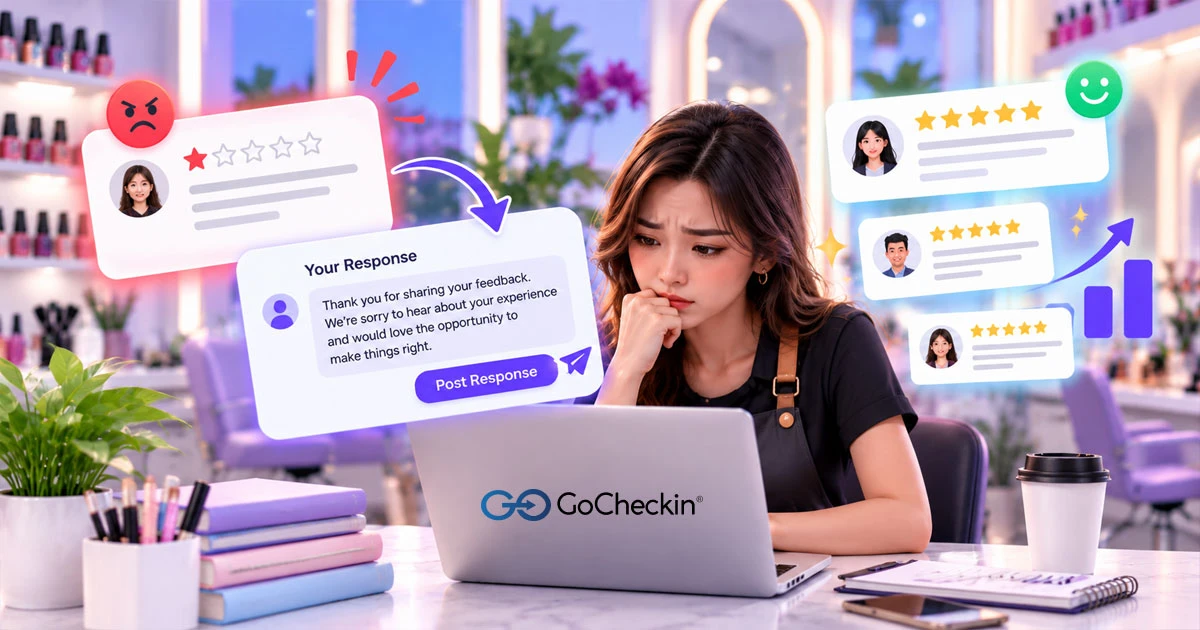
6. Respond to Online Reviews and Customer Concerns
Online reviews influence customer trust and can reveal important opportunities to improve service quality.
Businesses should monitor reviews regularly and respond professionally to both positive and negative feedback.
When responding to a negative review, acknowledge the customer's concern, avoid arguments, and offer an appropriate way to resolve the issue privately.
For positive reviews, thank customers and recognize their support.
A thoughtful review management process demonstrates that the business values customer experiences and takes responsibility for service quality.
7. Create Valuable Content for Your Customers
Useful content keeps customers connected to your business even when they are not making a purchase.
Examples include service tips, educational videos, seasonal recommendations, frequently asked questions, and behind-the-scenes content.
A nail salon might publish nail care advice or showcase new designs. A spa could share skincare tips and explain the benefits of different treatments.
Focus on content that answers real customer questions rather than promoting products or services in every post. Educational and helpful content can strengthen trust and encourage ongoing interaction.
8. Offer Convenient Booking and Service Updates
Convenience is an essential part of customer engagement, especially for appointment-based businesses.
Customers appreciate being able to book services, receive confirmations, and get reminders without unnecessary phone calls.
Online booking, automated notifications, and clear service information can reduce friction throughout the customer journey.
Businesses should also make it easy for customers to ask questions, change appointments, or communicate special requests.
When customers can interact with a business on their own terms, the overall experience becomes more convenient and reliable.
9. Use Customer Data to Improve Engagement
Customer data helps businesses understand behavior and identify opportunities to strengthen relationships.
Useful information may include visit frequency, appointment history, feedback trends, loyalty participation, and customer satisfaction scores.
For example, a salon might notice that some customers return every three weeks while others have not visited for several months. This information can help the business develop appropriate follow-up campaigns.
Use data to identify meaningful patterns, protect customer privacy, and avoid making assumptions based on incomplete information.
10. Measure Customer Engagement Performance
Without measurement, businesses may struggle to determine which engagement strategies are working.
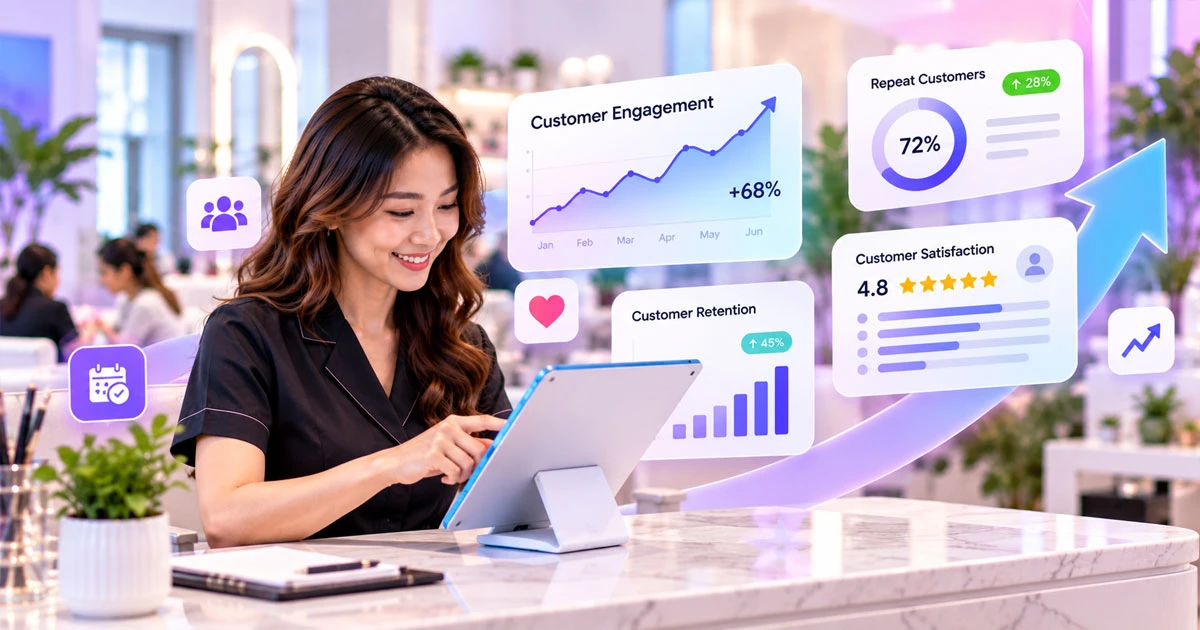
Tracking customer engagement metrics helps businesses understand customer behavior and improve retention strategies.
Track a small set of metrics that align with your business goals:
- Customer retention rate: The percentage of customers who continue doing business with you over a defined period.
- Repeat visit rate: The percentage of customers who return for additional visits.
- Customer satisfaction score (CSAT): How satisfied customers are with a particular experience.
- Customer feedback response rate: The proportion of customers who provide feedback after being invited.
- Average response time: How quickly your team responds to customer questions or concerns.
Review these metrics regularly and compare results over time. Use the findings to refine your communication, service processes, and customer experience initiatives.
How GoCheckIn Supports Better Customer Engagement
Customer engagement improves when businesses make interactions easier to manage and customer experiences more consistent.
GoCheckIn helps service-based businesses improve the customer arrival and check-in experience through digital check-in solutions. By streamlining this important touchpoint, businesses can create a more organized process for welcoming customers and managing service flow.
Combined with effective communication, customer feedback collection, and retention initiatives, a streamlined check-in experience can support a more customer-focused operation.
For nail salons, spas, and other appointment-based businesses, the goal is to connect convenient technology with attentive service. Technology should help employees spend less time managing administrative tasks and more time delivering positive customer experiences.
Explore GoCheckIn to learn more about solutions that can support your customer experience strategy.
Frequently Asked Questions About Customer Engagement Strategies
What are the most effective customer engagement strategies?
Effective strategies include personalization, convenient check-in, consistent communication, customer feedback collection, loyalty programs, review management, and performance measurement. The best combination depends on your customers, business model, and available resources.
How can small businesses improve customer engagement?
Small businesses can start by improving customer service, simplifying appointments, responding to reviews, asking for feedback, and following up with customers after visits. These actions are practical starting points that do not necessarily require a large marketing budget.
How does customer engagement improve customer retention?
Customer engagement helps businesses understand customer needs, resolve problems, and create positive experiences. When customers consistently receive valuable service and relevant communication, they may be more likely to return.
How can technology improve customer engagement?
Technology can simplify check-in, automate appointment reminders, organize customer information, collect feedback, and help businesses measure engagement performance. The most effective tools solve real customer problems without making interactions unnecessarily complicated.
Conclusion
Customer engagement strategies are essential for businesses that want to build stronger relationships, improve customer satisfaction, and encourage repeat visits. From personalized communication and convenient check-in to feedback management and loyalty programs, every interaction creates an opportunity to strengthen customer trust.
Start by identifying the biggest challenges in your current customer journey, implement a few practical improvements, and measure the results over time.
With a customer-first approach and the right technology, businesses can create more consistent experiences and build lasting customer relationships. GoCheckIn can support this process by helping service-based businesses streamline check-in and improve an important part of the customer journey.